Returning Home: A Post-Retreat Reflection from Taiwan
When was the last time you stepped away from everything — the endless to‑do lists, the client updates, the doom‑and‑gloom news cycle, and the constant churn of daily responsibilities?
In April, I was fortunate enough to attend a retreat in Taiwan. It wasn’t a therapist‑specific retreat, yet it offered me a profound paradigm shift. Good retreats create enough distance for us to see our lives from a bird’s‑eye view. But this one went deeper. It didn’t rely on life planning or logic. It loosened the “prison bars” of the mind and reconnected me with my innate nature — the simple, grounded experience of being here and now.
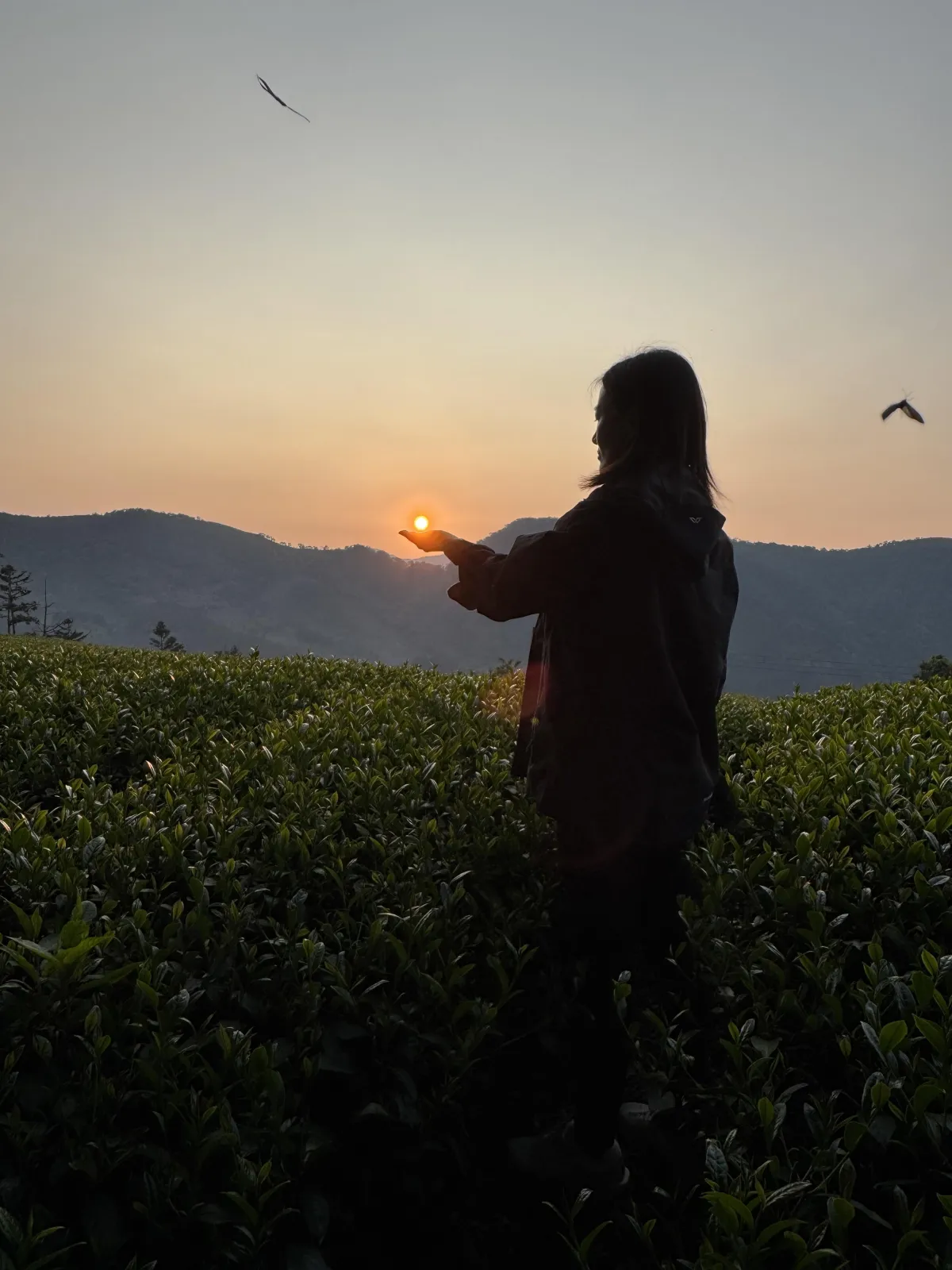
I’m still digesting everything that unfolded in that small country town, on the mountain, among the tea fields, and through the dharma teachings. But here are a few reflections that shifted my perspective — the kind that feel unfamiliar, like the sensation of being gently hung upside down in an aerial yoga hammock. The view is different… and undeniably beneficial.
1. Rethinking the Timeline of Life
As psychologists, we love values clarification work.
What matters? What gives life meaning? How do we want to be remembered at 80?
But what if our “timeline” isn’t a single line?
What if it’s 80 years… then a gap… then another 80… then another?
What if this so‑called “YOLO life” is only one frame in a much longer stream of consciousness?
If past lives are real, how would they influence our decisions today? Would our values hold up across lifetimes?
At some point during the retreat, a serious and intimate question surfaced:
Do I want to continue seeking awakening — knowing it could influence countless lifetimes of “I” — or slip back into the comfortable trance of everyday living and old habitual tendencies?
2. Ultimate vs. Conventional Truth
In the West, meditation is often framed as self‑care, relaxation, increasing psychological flexibility, or being more present.
But in the Zen tradition, the goal is far more ultimate:
To realize our true nature, awaken from the illusion of separateness, and liberate ourselves from suffering.
Teachings like “We are not our thoughts” are helpful and clinically sound. But I found myself wondering:
Are we only accepting the palatable parts of the teachings?
Are we willing to go deeper into the more demanding practices that truly free the mind?
And honestly… this paradigm shift made me pause and question what I am doing with The Practitioner’s Heart podcast, and whether The Blossoming Therapists community is the most helpful contribution I can offer with my limited time on this earth — in this lifetime.
From a conventional perspective, yes — I’m sharing my passion and creating supportive community impact. But a quiet part of me recognizes:
This is not the whole picture.
But abandoning it doesn’t feel right either.
So I’m sitting in this healthy tension — open, curious, and present with the discomfort rather than rushing to solve it.
And my invitation to you is the same:
Stay open and present — not just during meditation, but moment to moment.
Have we even begun this path toward awakening?
3. Seeing Clearly in a World of Impermanence
Everything changes.
We know this intellectually, but we rarely live as if it’s true.
We cling to fluctuating conditions as if we can stop bubbles from popping.
No wonder our hearts swing like yo‑yos.
In Chinese, we call this 患得患失 — the anxiety of gain and loss.
I can’t move into the mountains forever, but something in me feels firm now:
a determination to see clearly and see through illusion.
Because we are so easily seduced by temporary conditions. And eventually we realize:
We spent too much time and effort on the wrong things.
4. Choosing How I Engage with the World
Before the retreat, I checked news updates constantly — especially around Trump, Iran, and the rising geopolitical tension.
During the retreat, I rarely checked.
Few people out of the over 120 attendees did.
We drank tea.
We meditated.
We listened to dharma.
We breathed among trees.
We hiked in the mountain.
We appreciated sunrise and sunset.
And we lived.
Afterwards, it became obvious:
I have a choice in how I engage with the world.
I can consume the news…
or be consumed by it.
Since returning, I’ve chosen more presence. Less scrolling. Better sleep. More calm.
I thought I was “staying informed.”
But really, my nervous system was constantly firing, tightening, preparing, bracing.
I wasn’t informed.
I was anxious.
5. The Importance of Individual Practice
Listening to my teachers, I realized:
It’s not enough to meditate occasionally.
Awakening requires deliberate, moment‑to‑moment practice.
And psychologists — we actually excel at deliberate practice.
Each moment we unhook from preference, notice our grasping, return to awareness, and soften into presence…
we strengthen the pathway home.
So here is my gentle invitation:
Make space for deliberate practice.
Practice returning home — again and again.
This human life is precious — a rare opportunity for awakening.
Let every day, every life event become fertile ground for liberation.
Have you begun your path of awakening yet?